Established Home Builder: Constructing Your Desired Home
Choosing a reliable home contractor is a pivotal step in transforming a vision into a concrete outcome. This decision can greatly influence the construction process and overall satisfaction. Key qualities such as communication skills, industry experience, and a strong reputation are vital. Understanding these elements can result in a more smooth process. However, many homeowners miss important factors that can affect their journey. What should they think about before making this significant decision?
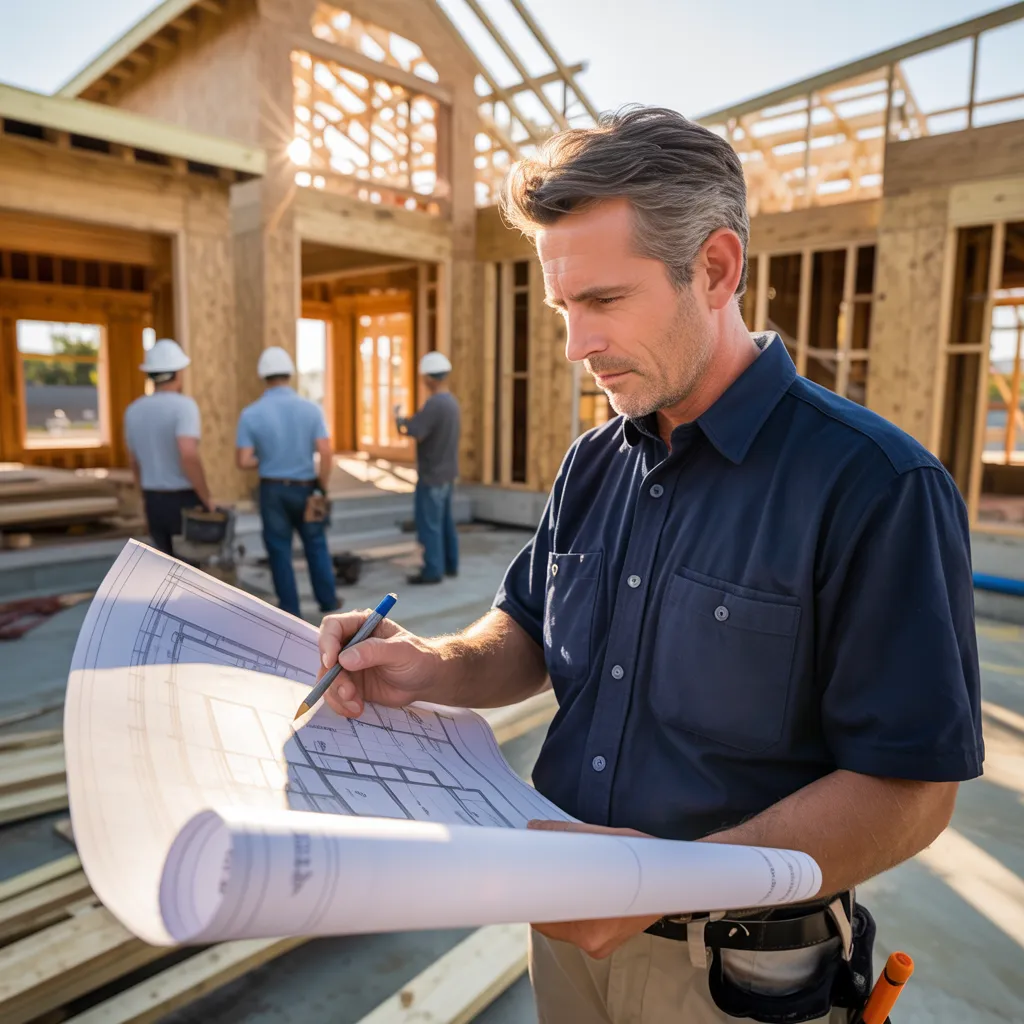
Essential Qualities of a Reliable Home Builder
In picking a home builder, the bedrock of a strong partnership stems from their fundamental attributes. A dependable home builder exhibits superior communication skills, guaranteeing transparency throughout the building process. They need to maintain extensive professional background, which equips them to tackle challenges and produce quality results. Careful attention to detail is one more important characteristic; it represents their commitment to superior craftsmanship and compliance with building codes.
Furthermore, an excellent builder should develop a strong reputation, grounded by favorable reviews and testimonials from previous clients. This credibility is typically created through reliability and accountability when meeting deadlines and budget constraints. Adaptability also acts as an essential element, since a builder must be receptive to customer feedback and ready to revise plans as required. In summary, these qualities work together to establish a collaborative atmosphere, crucial for realizing a customer's concept in reality.
Advantages of Picking the Ideal Construction Company for Your Dream Home
Identifying the right construction expert greatly enhances the home building journey, converting ideas into concrete outcomes. A skilled builder not only provides professionalism and expertise but also guarantees adherence to timelines and budgets. This reliability fosters peace of mind for homeowners, knowing their investment is in capable hands.
Moreover, a well-regarded builder often has strong ties with suppliers and subcontractors, leading to premium materials and skilled labor. This can result in a more durable and efficient home, ultimately reducing long-term service costs.
Additionally, the suitable contractor delivers useful recommendations during the design phase, adapting the home to address specific needs and desires. Their familiarity of area regulations and building codes can accelerate the licensing procedure, minimizing postponements.
Ultimately, choosing the right contractor sets a robust base for a successful endeavor, increasing satisfaction and ensuring that the dream home becomes a reality.
What to Prepare For During the Home Building Journey?
What can property owners expect during the construction process? The process begins with an first meeting, where property owners discuss their vision and budget with the contractor. This stage often involves site selection and obtaining necessary permits, which can take time and demand patience.
Once organizing is underway, the phases of construction start, consisting of foundation work, structural framing, and installation of utilities. Homeowners should anticipate periodic updates and site visits to keep an eye on progress. Challenges may emerge, such as delays due to weather or material shortages, which are frequent in the building process.
As the undertaking nears completion, homeowners will participate in final assessments, verifying everything meets their expectations. This journey culminates in the thrilling moment of receiving the keys to their new home. Throughout this endeavor, open dialogue with the builder is essential to overcome challenges and guarantee that the final result matches the homeowner's vision.
Key Topics to Examine Your Home Builder
When selecting a home builder, it's crucial to assess their qualifications and background to ensure they have a solid history of success. Furthermore, evaluating their responsiveness and communication skills can offer understanding of how efficiently they will oversee the building process. Posing the right questions can help potential home buyers make informed decisions.
Background and Credentials
When prospective home buyers embark upon the process of constructing their ideal residence, comprehending a contractor's experience and credentials becomes crucial. Evaluating a contractor's track record is vital; time spent in the field often indicate reliability and expertise. Homeowners should inquire about finished work, emphasizing quality and design that align with their goals. Certifications and licenses further confirm a contractor's professionalism and adherence detailed article to industry standards. Additionally, checking for affiliations with trade associations can provide insights into the builder's dedication to continuous learning and quality standards. Homeowners should also seek references from past clients to measure contentment and results. Ultimately, appraising qualifications and background establishes a solid basis for a successful building partnership.
Communication and Quick Response
How effectively a builder communicates can greatly influence the home-building experience. Potential homeowners need to assess a builder’s responsiveness during initial inquiries. Consider the following questions: How quickly does the builder return calls or emails? Do they agree to meet face-to-face to go over project details? Good communication does not just fosters trust but also guarantees that expectations are clear. Also, ask about how updates are provided during the construction process. Do homeowners get consistent progress reports? Are there set methods for dealing with issues? A builder’s open and consistent engagement can indicate their commitment to satisfying customers. Ultimately, clear communication and responsiveness are essential for a smooth and successful home-building journey.
A Guide to Analyzing Home Builder Feedback
What points should one consider when evaluating home builder reviews? First, it is essential to examine the source of the reviews. Reputable platforms or platforms with authentic user experiences strengthen credibility in the feedback. Next, potential purchasers should look for recurring themes in the reviews. Consistent feedback regarding quality, communication, and speed can provide insight on the builder's credibility.
Moreover, separating personal views from objective facts is essential. Observations about personal experiences may vary, but detailed information about craftsmanship or project completion can provide useful information.
Moreover, the schedule of the reviews is significant; recent feedback often reveals a builder's current service quality and approaches. Finally, review the overall rating alongside individual reviews, as a high average may demonstrate a generally strong reputation despite a few negative experiences. By thoroughly assessing these factors, one can make a more well-informed decision when picking a home builder.
Tips for Establishing a Strong Relationship With Your Builder
Building a firm relationship with a home builder copyrights on effective communication and explicit expectations. Having open channels for dialogue allows both parties to voice concerns and updates throughout the construction process. Also, defining particular expectations from the start cultivates a collaborative environment, elevating overall project satisfaction.
Establish Communication Pathways
Effective interaction acts as the basis of a successful relationship between homeowners and builders. Setting up open communication channels fosters transparency and trust throughout the construction process. Homeowners should prioritize frequent updates, using various methods such as emails, phone calls, or in-person meetings to make sure that concerns are addressed promptly. Builders, in turn, should provide updates on project progress and any potential challenges, encouraging a two-way dialogue. This proactive approach helps to lessen misunderstandings and promotes a team-oriented atmosphere. Additionally, homeowners should feel comfortable voicing questions or suggestions, while builders should remain receptive and responsive. By nurturing these open lines of communication, both parties can work together effectively, ultimately leading to a more satisfying home-building experience.
Create Well-Defined Objectives
When homeowners and builders establish transparent communication from the outset, the foundation for a strong relationship is established. This transparency helps both stakeholders comprehend project schedules, budget constraints, and design preferences, minimizing misunderstandings. Homeowners should articulate their vision and key objectives, while builders must convey practicality and potential challenges. Frequent meetings throughout the project guarantee that any modifications are made jointly. Establishing a detailed contract that specifies responsibilities, deadlines, and payment schedules further strengthens this understanding. By emphasizing transparency, both homeowners and builders can cultivate trust and responsibility. Ultimately, setting clear expectations not only enhances dialogue but also supports a easier construction process, resulting in the realization of the homeowner's dream home vision.
Common Inquiries Posed
What is the Standard Timeline for the Home Construction Process?
Residential building processes generally take six to twelve months, depending on elements including complexity of design, permit approvals, and weather conditions. Each undertaking differs, influencing overall timelines and completion dates substantially.
What Financing Solutions Exist for Home Building?
Various funding solutions for home construction comprise conventional loans, FHA loans, construction-to-permanent loans, and personal loans. Each option offers unique terms and conditions, enabling individuals to choose based on their financial situation and project requirements.
What About Making Changes During the Construction Timeline?
Yes, changes can generally be made during the building process. However, the extent and feasibility rely on the stage of project, budgetary effects, and the builder's terms, demanding clear communication between the householder and the building contractor.
What Guarantees Do Construction Companies Usually Offer After Completion?
Builders generally offer guarantees encompassing structural defects, workmanship, and materials for a specified duration, often ranging from one to ten years. These guarantees provide protection against potential issues that may surface upon completion of the construction.
What Methods Are Used to Convey Construction Delays to Homeowners?
Construction delays are ordinarily transmitted to homeowners through frequent updates via email or phone calls. Builders can also submit written notices detailing the causes of delays, expected completion dates, and remedial steps being taken to resolve these issues.